Living In North St Paul: Small-Town Feel Near The Cities
May 14, 2026
May 14, 2026
Wondering if you can get a quieter, more neighborhood-focused lifestyle without giving up easy access to the Twin Cities? North St. Paul often stands out for exactly that reason. If you are weighing a move here, it helps to understand what daily life, housing, parks, and commuting really look like before you make a decision. Let’s dive in.
North St. Paul is a compact first-ring suburb with a distinct identity. The city covers about 3.1 square miles and has a six-block Main Street, which helps create a small-town feel that is harder to find in larger suburbs.
That scale shapes how the city functions. Instead of expanding outward, North St. Paul’s planning focuses on reuse and reinvestment in its existing core. For you, that can mean an established setting with a more settled rhythm and a clear sense of place.
The city’s estimated population was 12,644 as of July 1, 2024. In practical terms, that means North St. Paul feels local and manageable while still sitting close to the broader metro.
If you like the idea of an established community, North St. Paul has a lot to offer. The city’s layout, preserved downtown character, and neighborhood-centered planning all point to a place where everyday life feels more grounded than fast-paced.
You are not looking at a huge regional shopping district or a fast-growing edge suburb here. Instead, North St. Paul offers a modest downtown, existing neighborhoods, and amenities woven into a relatively small footprint. That combination is a big part of its appeal.
For many buyers and renters, this kind of environment supports a more predictable day-to-day experience. You can enjoy a quieter setting while still staying connected to St. Paul, Minneapolis, and nearby suburbs.
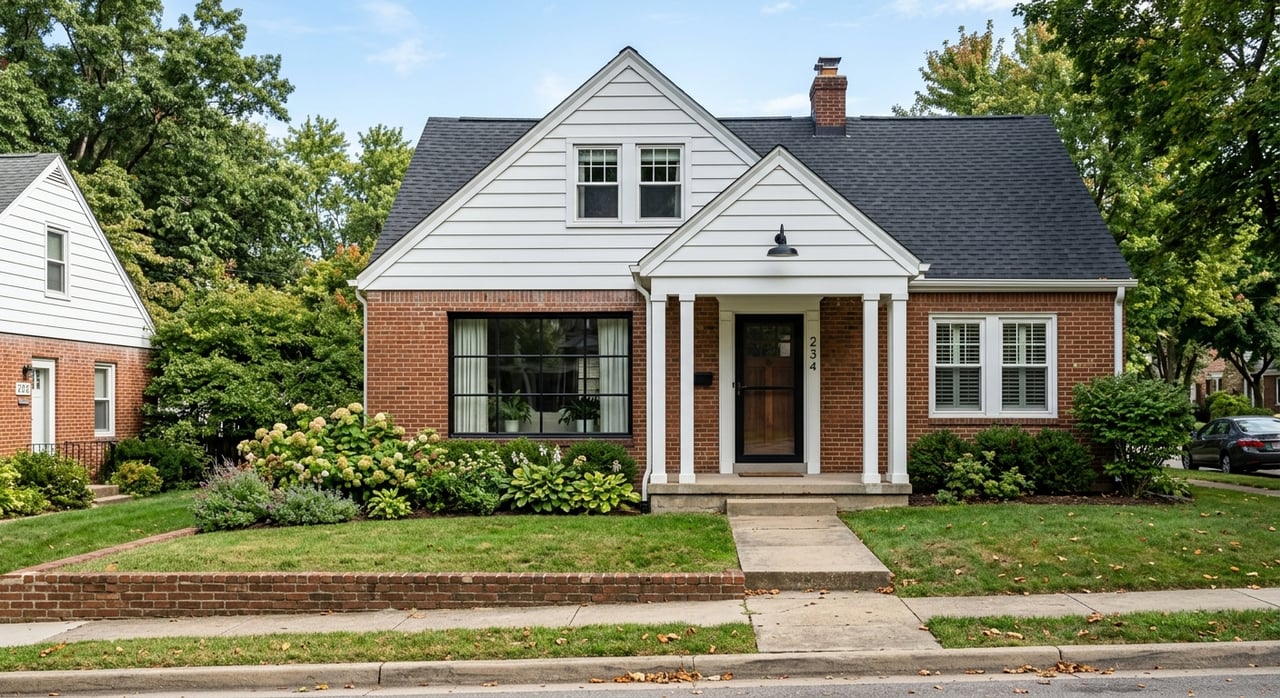
North St. Paul’s housing stock is older and more varied than many people expect. The city’s 2040 Housing Plan notes that much of the housing was developed in the 1950s, 1960s, and 1970s, especially in smaller-lot single-family areas.
That age can be part of the appeal if you want established blocks and homes with more mature surroundings. It also means buyers should pay attention to condition, updates, and longer-term maintenance needs, especially when comparing one home to another.
The city also discusses housing types beyond detached single-family homes. Duplexes, fourplexes, bungalows, and townhouses are part of the local housing mix, which gives you more options depending on your budget, lifestyle, and long-term plans.
St. Paul Single Family Homes For Sale
Current Census data shows an owner-occupied housing rate of 68.2% in North St. Paul. That points to a market where ownership plays a major role in the overall housing picture.
The median owner-occupied home value is $298,500. Median monthly owner costs are $1,966 with a mortgage, while median gross rent is $1,352. The median household income is $84,797.
Those numbers can help you frame affordability, but they are best used as a starting point. When you look at specific homes, your actual monthly cost will depend on price, loan terms, taxes, insurance, and the condition of the property.
If you are considering renting in North St. Paul, the city takes a hands-on approach to rental oversight. Rental housing requires annual licensing, and the city inspects single-family and duplex rentals every two years.
Multi-family rentals are also licensed annually and inspected on a two-year cycle. For renters, that may offer some added confidence that local officials are paying attention to property upkeep and safety standards.
This does not mean every rental will feel the same, of course. But it does tell you that North St. Paul has a defined local system in place for monitoring rental housing.
One of the strongest lifestyle advantages in North St. Paul is park access. The city says it has 14 parks, three nature preserves, the Gateway State Trail, and two recreational lakes, Casey Lake and Silver Lake, all within its small footprint.
That is a meaningful amount of outdoor access for a 3.1-square-mile city. If you want regular opportunities to walk, bike, fish, relax outside, or spend time at neighborhood parks, North St. Paul makes that easy to picture.
The city also highlights the Southwood Nature Preserve and Urban Ecology Center for native landscaping and wetland restoration. That adds another layer to the outdoor experience, especially if you value natural spaces close to home.
Silver Lake Park is one of the city’s most visible gathering spots. The park includes a swimming beach, fishing pier, large playground, picnic areas, a rentable shelter, tennis and pickleball courts, sand volleyball, walking trails, and restrooms.
For many people, amenities like these shape daily quality of life more than headline attractions do. A well-used park with a broad mix of features can make it easier to stay active, spend time outside, and enjoy simple routines close to home.
If you are comparing suburbs, this is the kind of amenity that can tip the scales. It supports a lifestyle that feels connected and practical, not just convenient on paper.
Rotary Park adds another useful feature for residents who enjoy walking and biking. It sits along the Gateway Regional Trail and serves as a trailhead with parking, restrooms, and picnic shelters.
That matters if trail access is on your wish list. Instead of driving far for outdoor recreation, you have a local launch point built into the city.
Downtown North St. Paul is not trying to compete with larger commercial districts. Its role is more traditional and local, with city planning documents focused on the look, feel, and reuse of the downtown area.
That tells you a lot about the city’s identity. The emphasis is on preserving and improving an existing core rather than creating a large-scale retail destination.
If you like places with an intentional, smaller downtown feel, North St. Paul may be a strong fit. It offers character and continuity, which often matter more than sheer size when you are deciding where to live.
For drivers, Highway 36 is the main east-west route serving the city. According to the city’s transportation plan, TH 36 crosses North St. Paul and provides access at McKnight Road and Century Avenue.
That corridor connects west toward Minneapolis through I-35W and east toward Stillwater and Wisconsin. If you commute by car, that makes North St. Paul fairly straightforward to navigate in the regional context.
Current Census data shows a mean travel time to work of 21.7 minutes. As always, your own commute will vary based on destination and schedule, but the city’s location works well for many metro-area trips.
North St. Paul also points residents to several transit services, including Metro Transit, Metro Mobility, Transit Link, and Metro Vanpool. Metro Transit Route 64 runs between downtown St. Paul and North St. Paul and also serves parts of Maplewood and the Maplewood Mall Transit Center.
In practical terms, St. Paul is generally the easier transit destination from North St. Paul. Minneapolis is often the more natural car commute based on current highway connections and transit routing.
If you are choosing between close-in suburbs, this is the kind of detail worth weighing early. Commute style can shape your experience of a place just as much as the home itself.
North St. Paul tends to make the most sense for buyers and renters who want established neighborhoods, strong park access, and a calmer daily pace. It is especially appealing if you value stability, existing housing stock, and proximity to both St. Paul and the wider metro.
This is not the place to choose if you want brand-new large-scale development or a sprawling suburban layout. It is better suited to people who appreciate older homes, a built-out city pattern, and a more modest but intentional downtown environment.
For buyers, that can mean thinking carefully about long-term fit, not just list price. For renters, it can mean prioritizing neighborhood feel, park access, and practical commuting options.
Before you choose North St. Paul, it helps to think beyond the headline appeal. Ask yourself how much you value established housing, local park access, and a compact city layout compared with newer construction or larger suburban commercial areas.
If you are buying, pay close attention to property condition, layout, and future maintenance. In a city with older housing stock, the details matter, and a thoughtful comparison can make a big difference in both monthly costs and long-term satisfaction.
If you are renting, look at location, access to parks and trails, and your likely commute pattern. North St. Paul can be a very practical option, especially if you want a close-in suburb with real neighborhood character.
If you want help sorting through North St. Paul homes or comparing this area with other nearby suburbs, Adam Duckwall can help you think through the tradeoffs and make a move that fits your goals now and in the years ahead.
Stay up to date on the latest real estate trends.

Bring your outdoor space to life — and increase your home’s value — with smart renovations designed for St. Paul living.
Your guide to inspired, high-end living in St. Paul’s evolving luxury market.
His expertise in real estate ensures that you receive informed and objective guidance. Contact Adam to learn more about how he can assist you in meeting your real estate needs.