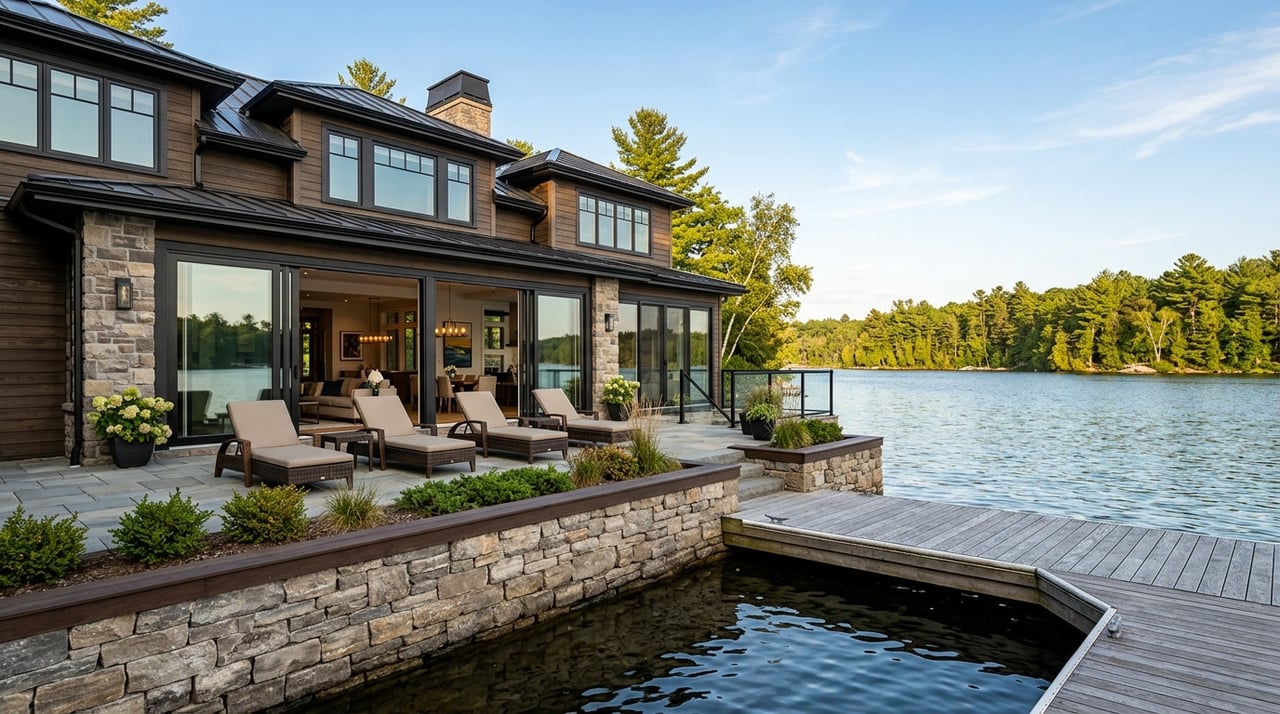
Lake Living Near White Bear Lake: What Buyers Should Know
June 4, 2026
June 4, 2026
If lake living is on your wish list, White Bear Lake can feel like the best of both worlds. You get real water access, strong recreation appeal, and the day-to-day convenience of a metro suburb, but buying near the lake takes more than falling in love with a view. If you want to understand how housing, access, rules, and long-term upkeep can affect your decision, this guide will help you sort through the details. Let’s dive in.
White Bear Lake has deep roots as a lake destination. The city notes that scenic lakes helped draw early settlers, with resorts and hotels once lining the shore before the area grew into a larger suburb that kept its small-town feel.
That history still shows up in how people use the lake today. According to the Minnesota DNR, White Bear Lake is regularly used by boaters, anglers, swimmers, birders, and wildlife watchers, which makes it appealing if you want outdoor access without giving up suburban convenience.
One of the biggest misconceptions buyers have is that homes near White Bear Lake are all cottages or newer custom waterfront properties. In reality, the housing stock is older and more varied than many people expect.
The city’s 2040 plan says the median year built in White Bear Lake is 1969. It also reports that 44% of homes were built from 1940 to 1969, 40.2% from 1970 to 1999, and only 6.1% since 2000.
That means your search may include ramblers, 1.5-story homes, two-story homes, split-levels, bi-levels, and townhomes. If you are looking near the lake, it helps to focus on property condition, layout, and update history rather than assuming a certain look or age.
In White Bear Lake, location near the water can shape more than the view. The city’s zoning update describes several neighborhood forms, including suburban neighborhoods with mostly single-family homes on small to medium lots, lakeside neighborhoods along White Bear, Goose, and Birch lakes, traditional neighborhoods with a wide range of housing sizes and styles, and multifamily areas that tend to sit at the edges of the city.
The same zoning work also identifies an island neighborhood with about 30 homes and lake frontage. For buyers, that is an important reminder that “near White Bear Lake” can mean very different things depending on the block, lot, and shoreline setting.
Before you get too attached to a property, confirm what kind of access you are actually buying. A home may have direct frontage, shared access, or no shoreline access at all, and those differences can shape both value and daily use.
This is especially important because White Bear Lake touches several jurisdictions, including White Bear, Mahtomedi, Dellwood, Birchwood, and White Bear Township. Exact rules, access points, and shoreline conditions can vary depending on the part of the lake.
Not every launch or shoreline amenity works the same way. The DNR lists Ramsey County Beach as a free access with a nearby washroom, picnic area, and beach, while Matoska Park requires an annual city permit and White Bear Docking is private and charges a launch fee.
The DNR also notes that public water accesses are generally open 24 hours unless posted otherwise and usually have no launch fee unless they are located in a park with a vehicle permit. Ramsey County’s White Bear Lake County Park adds another public beach and boat launch option, and the DNR lists Lions Pier and City Pier as public fishing piers.
If boating or fishing is a big part of your plan, it is worth checking where you will actually launch, park, store equipment, and spend time on the water. Convenience can vary a lot from one property to another.
Lake living near White Bear Lake is highly seasonal. The city says Matoska Park Marina includes a small-boat launch ramp that requires an annual permit, plus seasonal mooring buoys for small sailboats and small boat skids and canoe or kayak racks from May 1 through October 1.
Matoska Park itself includes 4 acres of shoreline with a swimming dock, walking path, gazebo, and public viewing areas. Those features add to the appeal, but they also show that some lake-related amenities operate on a defined seasonal schedule.
Seasonality shows up in the market too. The city’s housing study found that about 40% of White Bear Lake real estate transactions close in June, July, and August.
If you shop in warmer months, the lake may feel especially active and attractive. That can be helpful for experiencing the area, but it also means you should think about how the property functions in the off-season too.
White Bear Lake water levels fluctuate over time. The DNR says levels vary by nearly eight feet across their historic range and are managed around a protective elevation of 922 feet above sea level.
For buyers, this matters because shoreline conditions can look different from one season or year to the next. Docks, access, views, and how the shoreline feels in daily use may not be exactly the same over time.
White Bear Lake’s broader price point is already in the mid-$300,000s. Zillow reported an average White Bear Lake home value of $360,452 as of April 30, 2026, and Redfin reported a median sale price of $365,000 over the prior three months.
Waterfront homes often sell for more because shoreline is limited. Zillow research found an average waterfront premium of 36% in its sample, though the actual premium in any situation depends on factors like frontage, views, access, lot size, and the property’s era and condition.
In practical terms, being near the lake is not just a visual bonus. In White Bear Lake, it can represent a distinct value tier.
If you are buying close to the water, it is important to think beyond the house itself. White Bear Lake’s shoreland ordinance says that clearing vegetation in shore impact or bluff impact zones requires a vegetation permit, impervious surfaces should be minimized, and water-oriented accessory structures are tightly limited in size and location.
The ordinance also prohibits boathouses and boat-storage structures. City FAQs add that patio and impervious-area rules apply in the Shoreland Overlay District and the entire Old White Bear neighborhood.
So if you are already picturing a bigger patio, new hardscaping, shoreline clearing, or other exterior changes, check the rules first. A property’s long-term fit depends in part on what you can and cannot change.
Lake-area ownership comes with responsibilities that are easy to underestimate. The city warns that leaves and grass clippings washed into streets become a major phosphorus source that can fuel algae blooms.
The DNR also says White Bear Lake contains Eurasian watermilfoil and zebra mussels, so boaters should clean and drain equipment before leaving the water. The White Bear Lake Conservation District notes that certain aquatic plant removal or herbicide work below the ordinary high-water level requires a DNR permit.
That means your ownership costs may include more than the mortgage, taxes, and standard exterior maintenance. You may also need to plan for shoreline care, runoff control, and invasive-species prevention.
If you are serious about buying near White Bear Lake, focus on the details early. A clear due diligence process can save you from expensive surprises later.
Here are a few smart questions to ask:
These are the kinds of questions that matter in a lake market. A beautiful setting is important, but the right fit also depends on how you plan to use the property over time.
The best lake-home decisions usually come from balancing lifestyle and practicality. You may love the idea of being close to the water, but the smartest purchase is the one that works for your budget, your maintenance comfort level, and your five- to 10-year plans.
In White Bear Lake, that often means looking carefully at access, seasonality, home age, future improvement limits, and the ongoing responsibilities that come with living near the shore. When you understand those pieces up front, you can buy with more confidence and fewer surprises.
If you are weighing lake living near White Bear Lake and want practical guidance on the right fit, Adam Duckwall can help you think through the tradeoffs and make a smart plan.
Stay up to date on the latest real estate trends.

Bring your outdoor space to life — and increase your home’s value — with smart renovations designed for St. Paul living.
Your guide to inspired, high-end living in St. Paul’s evolving luxury market.
His expertise in real estate ensures that you receive informed and objective guidance. Contact Adam to learn more about how he can assist you in meeting your real estate needs.