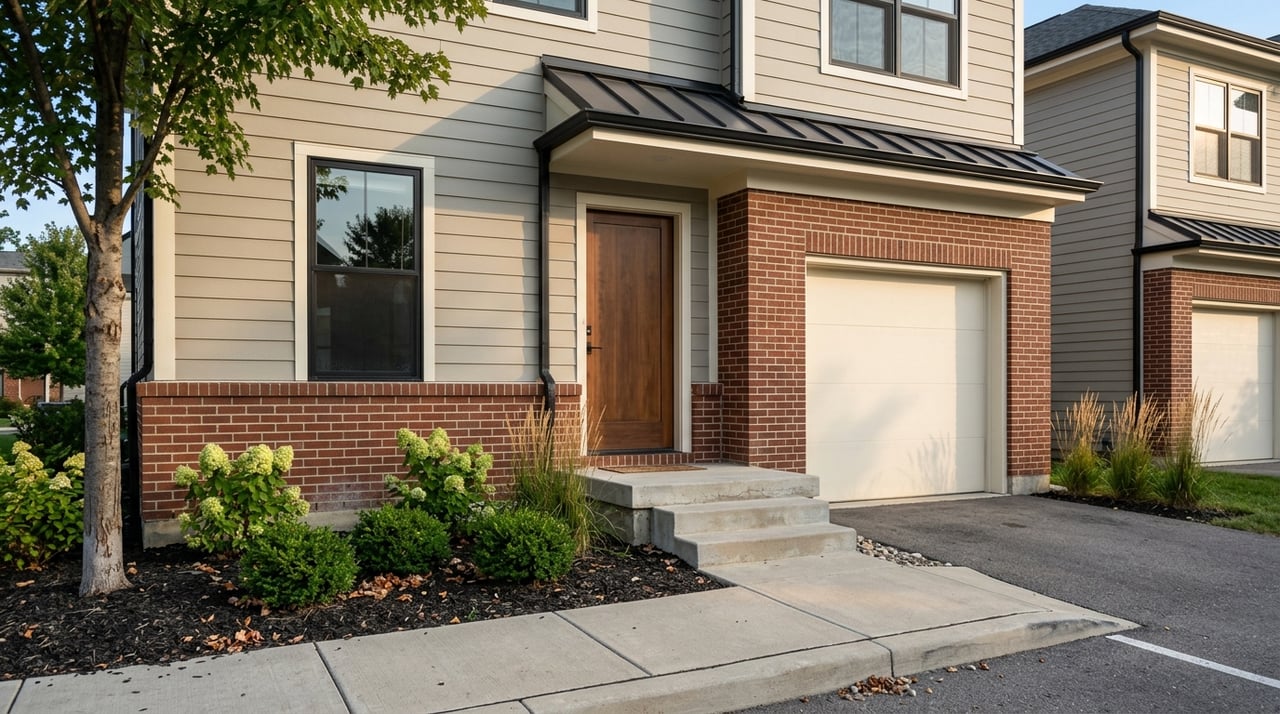
Buying A Townhome Or Condo In Maplewood: A Practical Guide
June 18, 2026
June 18, 2026
Wondering whether a townhome or condo in Maplewood is the right fit for your next move? You are not alone. Attached homes can offer a simpler ownership experience, but the monthly fee, association rules, and building condition can change the math quickly. This guide will help you understand what to look for, what documents to request, and how to make a more confident decision before you buy. Let’s dive in.
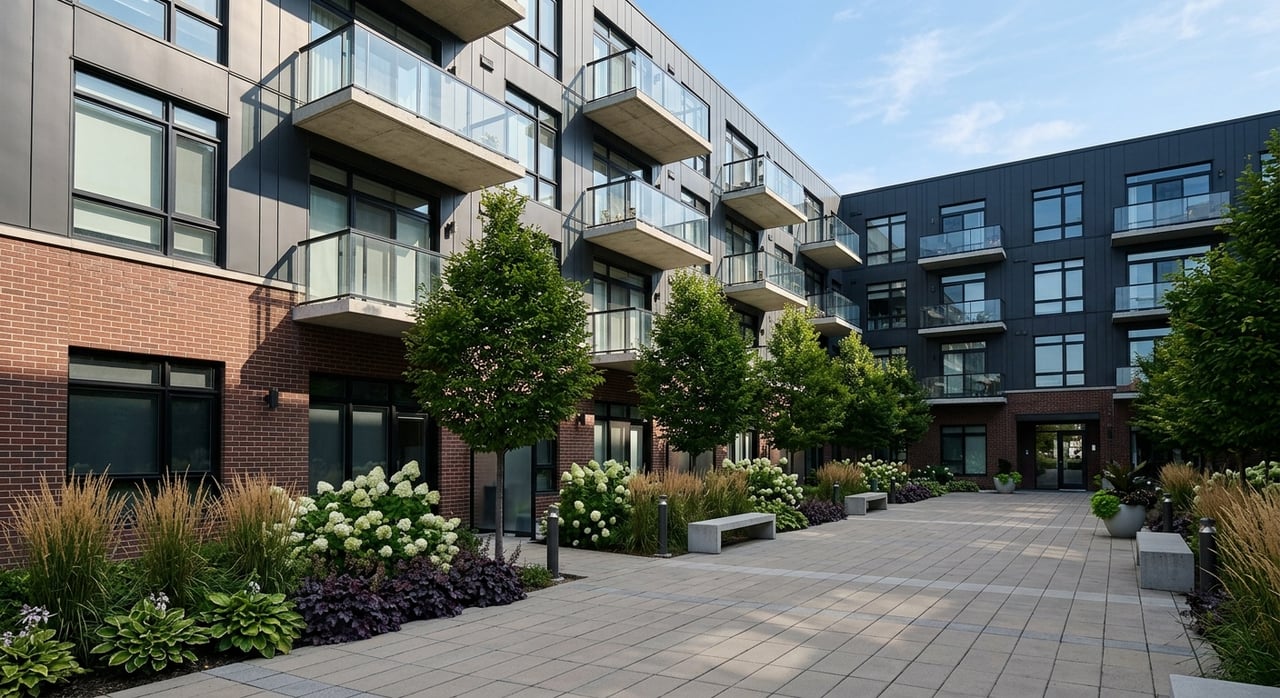
Maplewood gives you a wide mix of attached-home options. The city has an older housing stock overall, but it is also adding newer townhome development. That means you may be comparing a 1980s townhome community, a 2000s condo building, and a newer project with different ownership structures and fees.
Maplewood’s 2040 plan says more than 58% of housing units are single-family detached, 13.5% are single-family attached, and 17% are multifamily buildings with 20 or more units. The same plan notes that almost one-third of the city’s housing is more than 50 years old, and more than two-thirds is older than 30 years. For buyers, that matters because age often affects maintenance needs, reserve planning, and monthly dues.
The labels townhome and condo do not tell you everything you need to know. In Minnesota common-interest communities, the declaration is the key document that spells out what you own, what is shared, what the association maintains, and what restrictions may apply.
That is why two homes with similar prices can feel very different once you read the documents. One community may cover more exterior maintenance and insurance, while another may place more responsibility on you as the owner. The smarter move is to look past the label and focus on how the association is set up.
The governing documents can shape day-to-day ownership in several ways, including:
In newer Maplewood projects, layered HOA structures can show up. For example, a development may have a master association for trails or shared open space and a sub-association for townhome exteriors, private roads, mowing, and snow removal. If that applies, you will want to understand both fee layers and both sets of rules.
One of the biggest questions buyers ask is simple: what do the monthly dues actually pay for? In Maplewood, the answer can vary a lot from one community to the next.
Current listing examples in the city show dues ranging from about $195 to $462 per month, with several around the high-$200s to low-$300s. Some communities include structure maintenance, hazard insurance, lawn care, grounds work, sanitation, professional management, shared amenities, and snow removal. Others may also include controlled access, some utilities, or amenities like a pool, tennis courts, or a sauna.
A lower monthly fee can look attractive at first glance. But in a city with an aging housing stock, a lower fee is only good news if the building is in solid condition and the reserves are keeping pace with future repairs.
Maplewood’s own planning documents note that older housing will need more significant and expensive upkeep over time. So if you see a low-fee community, read that number together with the condition of the roof, siding, windows, decks, pavement, and mechanical systems. A low fee without a strong reserve plan can lead to bigger costs later.
It is easy to focus on the sale price and mortgage payment. But your true monthly cost is broader than that, especially with an HOA.
HOA dues are usually paid directly to the association and are usually not part of the monthly mortgage payment you send to your loan servicer. That means you should add the dues to your full housing budget along with principal and interest, property taxes, homeowners insurance, and any mortgage insurance.
In Maplewood, the difference between a $195 monthly HOA fee and a $462 monthly HOA fee is $267 per month. That comes out to $3,204 per year before utilities or any special assessment.
That does not mean the higher-fee option is automatically worse. It may cover more maintenance, insurance, management, or amenities. The key is to compare what you are getting, what you still need to insure yourself, and whether the total monthly number still fits your budget comfortably.
If you are buying a resale condo or townhome in Maplewood, paperwork matters. Getting the full document package early can help you spot issues before you are emotionally attached to the property.
Maplewood requires a Truth-in-Sale of Housing evaluation before a townhouse or condominium can be shown for sale. The city says that report must be given to the buyer before a contract is signed, and it may identify code violations that need correction.
Minnesota law also requires the seller of a resale unit to provide a set of association documents. These should include the declaration, articles of incorporation, bylaws, rules and regulations, amendments or supplemental declarations, and a resale disclosure certificate dated no more than 90 days before the purchase agreement or conveyance.
This certificate is one of the most useful tools you have as a buyer. It should outline important financial and legal details, including:
Ask for this information early. Minnesota law gives buyers a cancellation right if the required resale information is not delivered more than ten days before the purchase agreement. After you receive it, you generally have ten days to cancel without penalty.
Reserve strength can tell you a lot about how an association plans ahead. Minnesota law requires annual budgets to include replacement reserves, requires those reserve funds to be kept separate from operating funds, and requires reserve adequacy to be reevaluated at least every third year.
That is why it is smart to ask for any current reserve study or capital plan, even if it is not formally labeled that way. You want to understand not just the balance, but also what major components that money is meant to cover.
Special assessments are not always a red flag, but they do deserve close attention. Under Minnesota law, they can be used for emergencies, underfunded reserves, unbudgeted capital expenses, or certain replacement costs if the declaration allows it.
If a building has aging roofs, siding, windows, decks, or pavement, ask how those items are being funded. A community with realistic planning may still be a good option. A community that has delayed obvious maintenance can create more uncertainty.
Insurance is one of the easiest areas to overlook, and one of the most important. The resale disclosure form in Minnesota specifically asks which interior components are association-insured and which belong to the owner.
That can include things like ceiling or wall finishes, flooring, cabinetry, millwork, HVAC or plumbing fixtures serving the unit, built-in appliances, and improvements or betterments. Before you buy, make sure you understand where the association’s coverage stops and where your own policy would need to begin.
A good condo or townhome decision usually comes down to asking practical questions, then matching the answers to the documents. This is where calm due diligence beats guesswork.
Here are some of the most useful questions to ask:
When you tour attached homes in Maplewood, it helps to compare each property with the same framework. Price is only one part of the decision.
Look at the total monthly cost, the age and condition of the community, the reserve picture, the insurance setup, and the rules that affect how you plan to live in the home. A well-run older community may be a stronger long-term fit than a newer one with unclear budgeting. On the other hand, a newer build with layered HOA governance may offer convenience, but it needs careful review so you understand exactly what you are paying for.
The best choice is usually the one that fits both your current lifestyle and your longer-term plans. If you expect to stay for several years, the quality of the association and the condition of shared components can matter just as much as the finishes inside the unit.
If you are weighing condo or townhome options in Maplewood, a steady review process can help you avoid surprises and feel more confident about the home you choose. If you want practical guidance on comparing communities, reviewing documents, and planning for the real monthly cost, reach out to Adam Duckwall.
Stay up to date on the latest real estate trends.
His expertise in real estate ensures that you receive informed and objective guidance. Contact Adam to learn more about how he can assist you in meeting your real estate needs.