Moving To Stillwater, MN: Historic River Town Living Explained
May 28, 2026
May 28, 2026
Thinking about moving to Stillwater, MN? If you want a place with real history, a strong downtown, and easy access to the Twin Cities, Stillwater probably stands out for a reason. The key is understanding what daily life here actually feels like, including the charm, the tradeoffs, and the housing choices, so you can decide if it fits your next five to 10 years. Let’s dive in.
Stillwater is not just another suburb on the edge of the metro. The city describes itself as a strong standalone community in the St. Croix bluffs, about 20 miles east of downtown St. Paul. It is also one of Minnesota’s oldest communities, with a long-established identity tied to the river.
That history shows up in everyday life. Downtown Stillwater has a riverfront Main Street area listed on the National Historic Register, with more than 100 locally owned shops and restaurants, along with galleries, patios, and river-related activities. If you want a place with a real town center instead of a newer retail corridor, that is a big part of the appeal.
The Historic Lift Bridge adds to that sense of place. Built in 1931 and now used by pedestrians and bicyclists, it remains one of the city’s best-known landmarks. In practical terms, Stillwater tends to feel more like a destination small city than a generic bedroom community.
Living in Stillwater often means being close to both scenery and activity. The riverfront, bluffs, and historic streets give the city a distinctive look and feel that many buyers find hard to replicate elsewhere in the Twin Cities area. If character matters to you, Stillwater offers a lot of it.
At the same time, this is a city that draws visitors. The official tourism bureau promotes shopping, dining, events, lodging, attractions, weddings, and group travel, and the event calendar includes recurring draws like Lumberjack Days, MN Fishing Opener celebrations, and seasonal holiday programming downtown. That energy can be fun, but it can also shape your routine if you live near the center of town.
Downtown parking is one example. The city notes that Main Street has free 90-minute parking in the core, free 4-hour parking west of Main, paid on-street spaces and public lots between Main Street and the river, a paid ramp one block west of Main Street, and free downtown parking every Tuesday. If you picture yourself spending a lot of time downtown, it helps to know the parking setup in advance.
One of the biggest reasons people move to Stillwater is the housing character. The city’s neighborhood history work covers 16 neighborhoods, and it has a Neighborhood Conservation District designed to protect the traditional fabric of residential areas while guiding compatible infill. That tells you a lot about what Stillwater values.
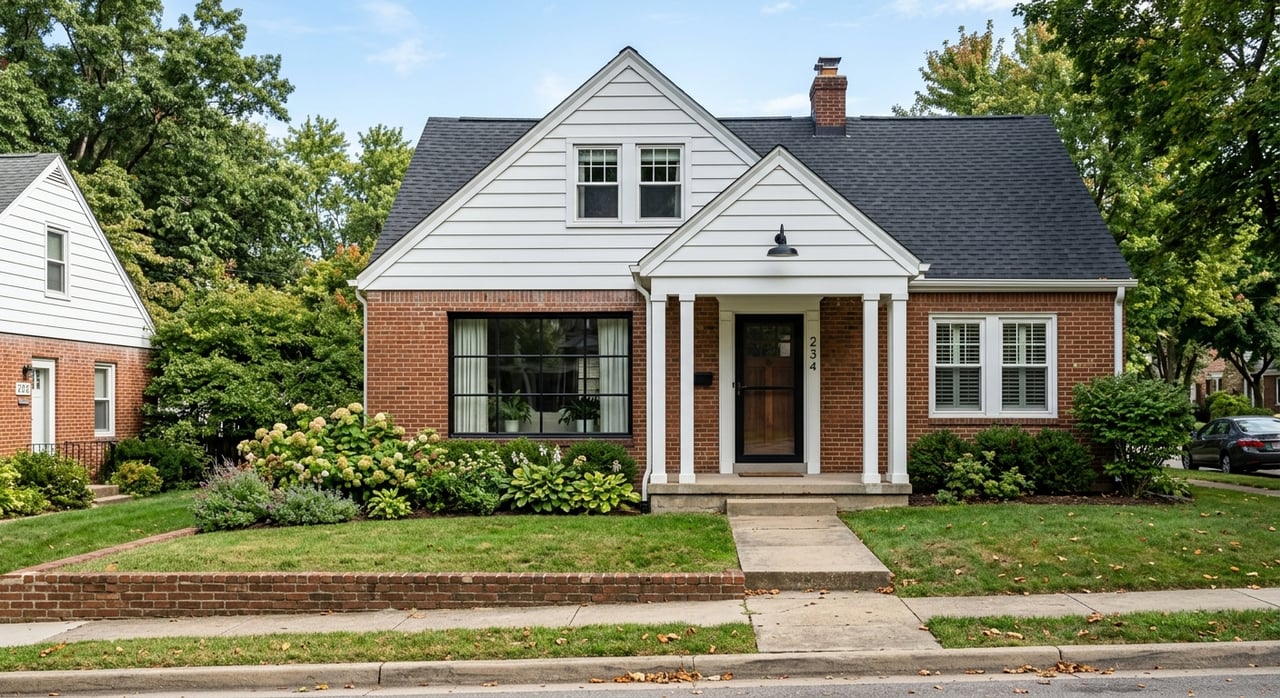
For many buyers, older homes are the main draw. South Hill is a good example, with historic homes and architecture highlighted by the city’s own walking tour. The Heirloom Homes program also identifies homes in Stillwater’s oldest neighborhoods that contribute to the city’s character.
If you love the idea of a historic home, Stillwater can be a strong match. You may find details and settings here that feel harder to replicate in newer suburbs. But older housing usually comes with more maintenance questions, renovation planning, and property-specific due diligence.
In some parts of Stillwater, preservation rules are part of the deal. The Downtown Commercial Historic District was added to the National Register in 1992, and the city notes that some exterior changes, including painting or signs, can require design-permit approval.
That does not automatically make ownership difficult. It simply means buyers should understand that preserving character is part of how Stillwater manages growth and change. If you see that as a feature, the city’s approach may feel reassuring.
If you want fewer constraints, it may make sense to look outside the most historically sensitive areas. This is especially important if you expect to make major exterior updates or want a home that is simpler to maintain over time.
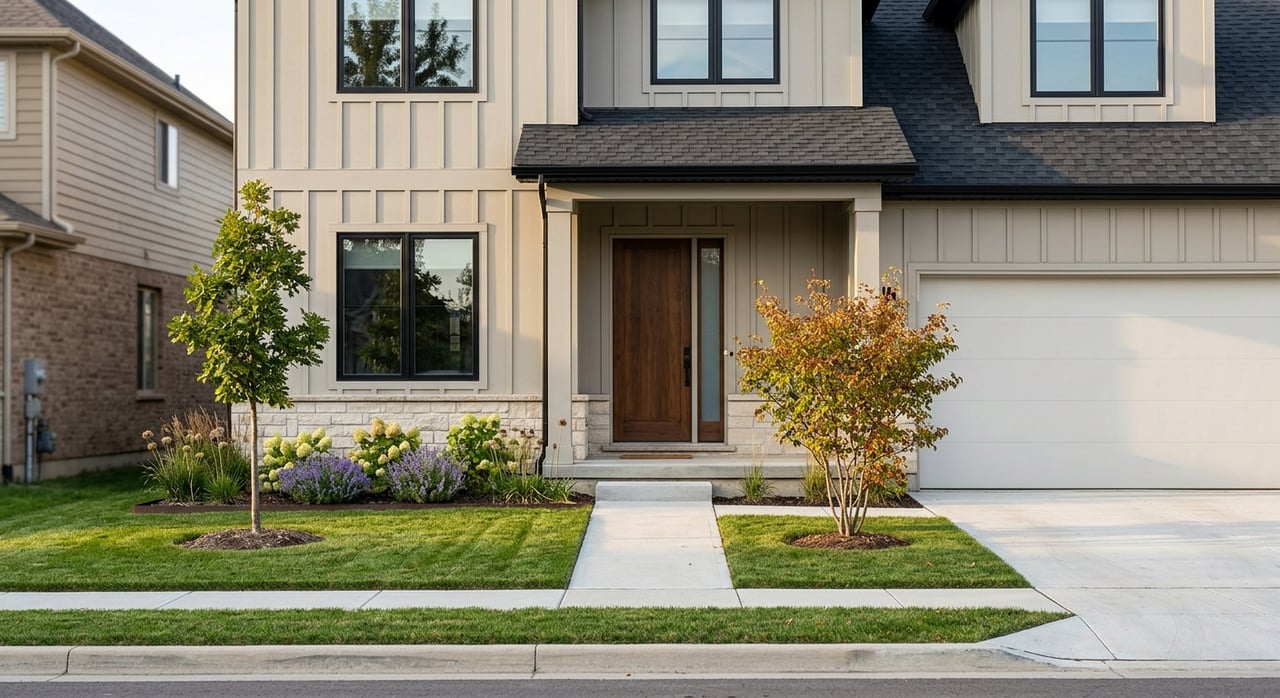
Yes, but it is not the dominant story in Stillwater. Newer housing tends to cluster on the edges of the city and along the Highway 36 and Manning Avenue corridor.
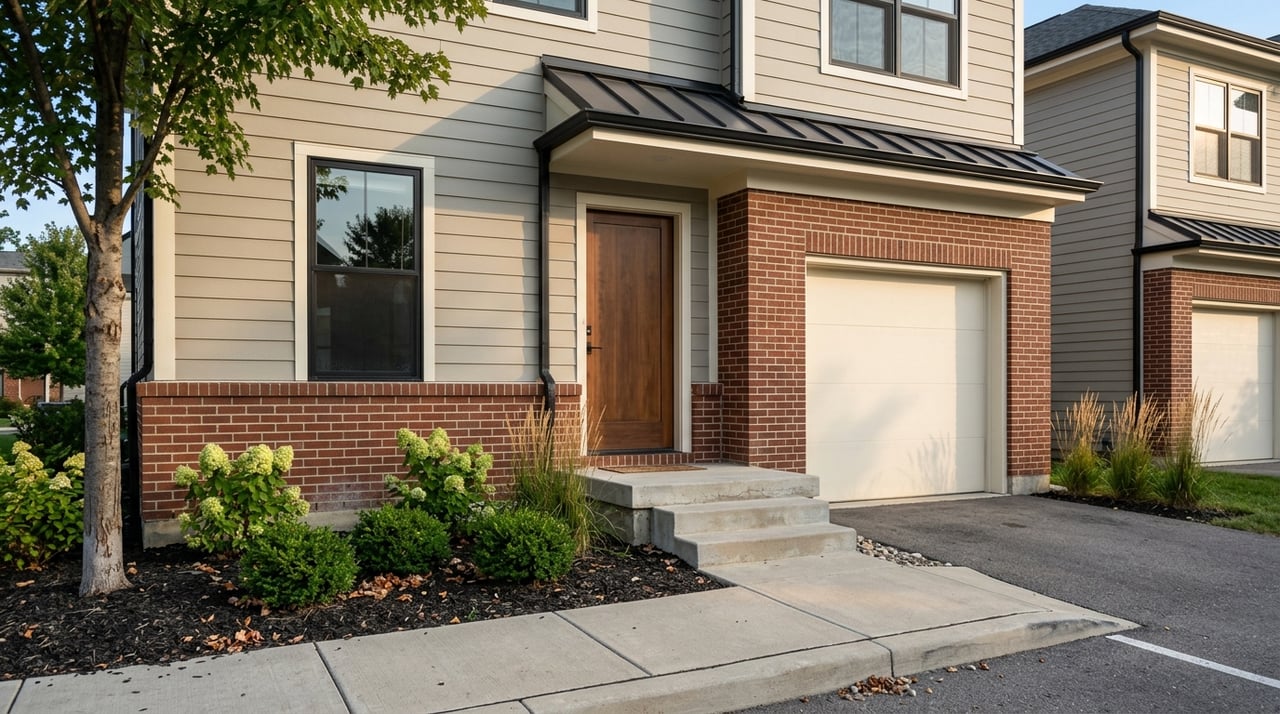
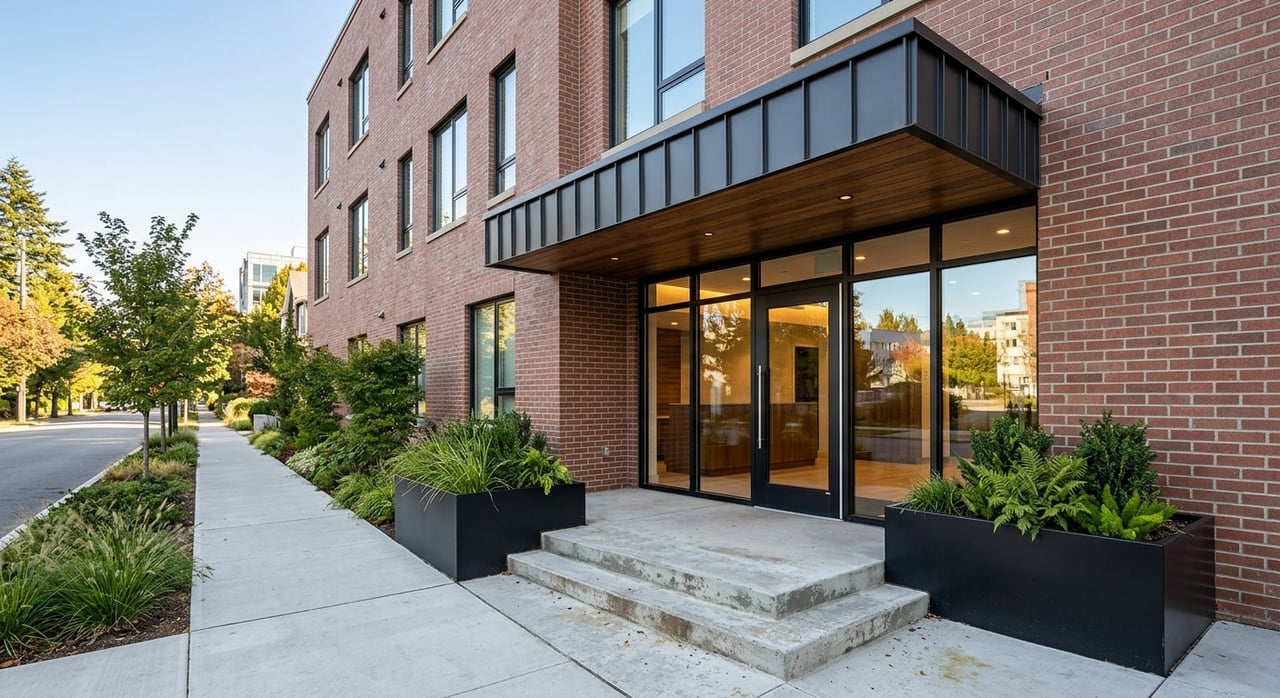
Current city project listings include a 108-unit townhome development, a 35-acre mixed-use project with a market-rate apartment building, and a major redevelopment near the hospital campus. For buyers who want newer finishes, lower maintenance, or a more straightforward ownership experience, those areas may be worth close attention.
Stillwater leans heavily toward homeownership. According to QuickFacts, the owner-occupied rate is 76.7%. Census Reporter shows a median owner-occupied value of $414,200, median gross rent of $1,622, and a mean monthly owner cost with a mortgage of $2,148.
Those numbers help frame the market, but they do not tell the whole story. In Stillwater, the bigger question is often not just price. It is whether you want historic character, a newer low-maintenance setup, a downtown location, or a quieter hill neighborhood with a little more separation from visitor activity.
If affordability or the path into ownership is part of your planning, the city partners with the Washington County CDA on housing solutions that include first-home purchase help, home repair, and foreclosure prevention. For some buyers, that can be a useful local resource to explore while building a realistic plan.
Stillwater sits about 20 miles east of downtown St. Paul, which makes metro access realistic for many households. Census Reporter estimates a mean travel time to work of 20.1 minutes. That puts Stillwater in a middle ground where you are not in the urban core, but you are also not especially far removed from it.
This matters if you want more space or a more distinct town identity without giving up access to the broader Twin Cities job market. Stillwater can work well for that balance. The commute equation is simply different from living in Minneapolis or Saint Paul proper.
It also helps to think beyond drive time alone. If your week includes frequent downtown Stillwater errands, weekend dining, or regular riverfront activity, local parking and event traffic can affect convenience just as much as your regional commute does.
If the St. Croix River is one of the main reasons you are considering Stillwater, it is smart to verify flood details early. The city says most of Stillwater remains in FEMA Zone X, but it also directs buyers to use the property lookup tool for address-specific information. Flood insurance is available throughout the community.
This is especially important for homes near the river or in areas where topography and location may affect insurance and long-term ownership costs. Two homes in the same city can come with very different practical considerations. In Stillwater, address-level due diligence really matters.
Stillwater has a lot going for it, especially if you want preserved character, river scenery, a true downtown, and housing options that include both historic homes and newer construction. It can offer a lifestyle that feels more rooted and memorable than many suburban alternatives.
The tradeoffs are just as important to understand. Older homes can mean more maintenance. Some locations come with design-review rules. Downtown visitor activity can affect parking and daily convenience. River-adjacent homes may require extra review around flood-zone and insurance questions.
None of those points are deal breakers on their own. The right question is whether they line up with what you value most and how you want to live over the next several years.
Stillwater tends to be a strong fit if you want a picturesque small-city environment with real history and a clearly defined downtown. It also makes sense if you appreciate older homes, river access, and a setting that feels distinct from newer suburban development patterns.
It may be a less natural fit if your top priority is brand-new housing everywhere, minimal upkeep, and the simplest possible day-to-day logistics. In that case, edge-of-town newer construction may be more comfortable than the older core neighborhoods.
The key is to match the property, the location within Stillwater, and your long-term plans. A historic home near the center of town can be a very different experience from a newer townhome along a growth corridor, even though both are in the same city.
If you are weighing a move to Stillwater and want practical guidance on neighborhoods, historic-home due diligence, commute tradeoffs, or resale considerations, Adam Duckwall can help you sort through the options with a calm, local, long-range approach.
Stay up to date on the latest real estate trends.
His expertise in real estate ensures that you receive informed and objective guidance. Contact Adam to learn more about how he can assist you in meeting your real estate needs.