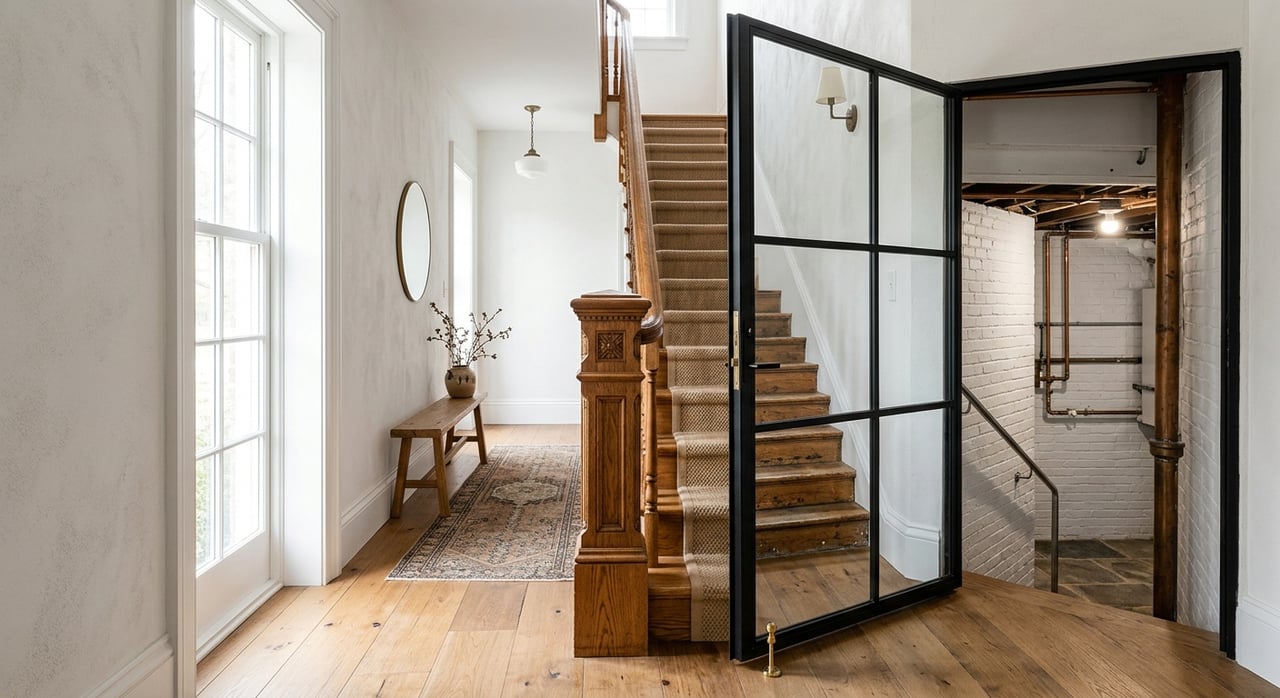
Buying A Historic Home In Saint Paul: Due Diligence Essentials
July 2, 2026
July 2, 2026
Dreaming about a Saint Paul home with original woodwork, a deep front porch, or a classic Craftsman profile? Buying a historic home in Saint Anthony Park can be incredibly rewarding, but it also asks more of you than a standard home search. If you know what to check before you write an offer, you can protect your budget, avoid surprises, and make a more confident decision. Let’s dive in.
Saint Paul’s older neighborhoods were shaped by several building eras, with many homes built between the late 1880s and the 1930s. City historic context studies cover pioneer houses from 1854 to 1880 and residential development from 1880 to 1950, which gives you a sense of how deep the city’s housing history runs.
In Saint Paul, older housing stock often includes styles like Queen Anne, Foursquare, Colonial Revival, Dutch Colonial Revival, Craftsman, Bungalow, Prairie School, Tudor Revival, Mission Revival, and Mediterranean Revival. That variety is part of the appeal, especially in neighborhoods where original exterior details and porches still shape the street.
Saint Anthony Park also has a preservation-minded planning culture. The community plan encourages preserving or repurposing historic structures and neighborhood fabric whenever possible, even when a property is not listed on the National Register. For a buyer, that means character is an asset, but it often comes with added review, maintenance, and planning responsibilities.
Before you fall in love with a specific home, confirm whether it is a designated local, state, or national historic site, or whether it sits in a local historic district. In Saint Paul, that distinction matters because exterior work on a designated heritage site or a structure within a locally designated heritage district requires Heritage Preservation review.
This can affect your timeline, your remodeling plans, and even the permit path after closing. Saint Paul says express permits are not available for historic structures or properties in historic districts, so projects may take more planning than buyers expect.
If you are comparing two similar homes, the one with historic designation may call for a different ownership strategy. That does not make it a bad fit. It simply means you should understand the rules before you commit.
One of the best due diligence tools in Saint Paul is the city’s property information portal. It can show zoning, recent code-compliance reports, certificate-of-occupancy status, vacant-building status, and the Truth-in-Sale-of-Housing report, often called the TISH report.
This is valuable because it lets you compare the seller’s disclosures with what the city already has on file. If a home has known condition issues, permit history, or occupancy questions, you want to know that before inspections and negotiations move forward.
For many buyers, this step helps separate cosmetic charm from true property condition. Historic homes can photograph beautifully, but city records often tell you where closer review is needed.
In Saint Paul, the Truth-in-Sale-of-Housing report summarizes observed conditions at the time of evaluation. It is not a substitute for your own inspection, but it is an important piece of the puzzle.
A TISH report can help you spot recurring concerns, deferred maintenance, or repairs that may affect your budget. It also gives you a more grounded starting point when deciding whether to move ahead, negotiate, or walk away.
If you are buying in Saint Anthony Park, where older homes are common, the TISH report is especially useful because age-related issues often show up in patterns. You want those patterns on your radar early.
In older Saint Paul homes, the first trouble spots are often tied to the exterior envelope and water management. City permit guidance for one- and two-family homes frequently references work such as basement drainage systems, chimney repair, gutters, reroofing, roof repair, re-siding, soffit and fascia work, trim, tuckpointing, and windows.
That list is helpful because it reflects where maintenance often stacks up over time. A historic home may have strong bones, but deferred exterior work can become expensive if moisture has been getting in for years.
As you evaluate a property, pay close attention to these areas:
You do not need every old house to be perfect. You do need a realistic plan for what will need attention now versus later.
For pre-1978 homes, lead is one of the biggest due diligence issues. Buyers should expect lead disclosure materials, including the Protect Your Family from Lead brochure and a signed disclosure for homes built before 1978.
Minnesota Department of Health says buyers should assume any pre-1978 home contains lead unless testing shows otherwise. If you plan to remodel, EPA says work that disturbs paint in pre-1978 housing, including window replacement, plumbing, electrical work, carpentry, and paint prep, falls under lead-safe work rules when done for compensation.
Radon should also be part of your inspection plan. The Minnesota Department of Health recommends that every Minnesota home be tested for radon, notes that more than two in five Minnesota homes have elevated radon levels, and recommends mitigation at 4 pCi/L or higher.
Asbestos is another concern in older homes, especially if you plan to open walls or replace finishes. EPA notes that you cannot tell by looking whether a material contains asbestos, and damaged materials or materials that will be disturbed during renovation should be sampled by a properly trained and accredited asbestos professional.
Historic homes often win on character, but they do not always win on efficiency. Older homes were commonly built with materials and methods that allow heat to escape in winter and cool air to escape in summer, and some have limited insulation or heating and cooling systems that need maintenance or repair.
In Saint Paul’s climate, that matters. A home can be visually appealing and still come with higher utility costs, uneven room temperatures, or near-term HVAC upgrades.
During due diligence, ask your inspector to pay close attention to:
This is not about avoiding every older home. It is about understanding the real cost of living in one.
If the property is designated or located in a local historic district, exterior changes may need review by Saint Paul’s Heritage Preservation Commission. The city is clear that local historic district designation does not freeze a property in time, but proposed work must be reviewed for compatibility with the district’s character.
That compatibility standard can shape everything from windows and siding to fences and additions. Saint Paul also notes that fences in historic districts require HPC design review, which is the kind of detail many buyers do not expect at first.
The city’s Historic Hill District guidelines offer a practical model for how Saint Paul approaches compatibility. They emphasize preserving original materials and craftsmanship where possible, repairing rather than replacing deteriorated features, and making alterations in a way that does not damage the building if removed later.
A historic home purchase works best when you evaluate both the structure and the ownership experience. You are not just buying square footage. You are also taking on a maintenance pattern, a permit process, and in some cases a preservation framework.
That is why practical due diligence matters so much in Saint Anthony Park. If you understand the home’s condition, city records, environmental risks, and likely project constraints before you buy, you can move forward with clearer expectations.
For many buyers, that clarity is what turns a charming house into a smart long-term decision. And if your plan includes updates, resale, or a five- to 10-year horizon, that upfront work becomes even more important.
If you are considering a historic home in Saint Anthony Park or elsewhere in Saint Paul, working with someone who understands neighborhood nuance, property fundamentals, and the due diligence process can make the entire experience calmer and more informed. If you want help evaluating your options, connect with Adam Duckwall.
Stay up to date on the latest real estate trends.

Bring your outdoor space to life — and increase your home’s value — with smart renovations designed for St. Paul living.
His expertise in real estate ensures that you receive informed and objective guidance. Contact Adam to learn more about how he can assist you in meeting your real estate needs.